

➜ Picket & Lattice Fencing
PICKET & LATTICE FENCING IN Decatur, GA.
Not every boundary needs to be a wall. Lindley's Fencing builds picket and lattice fencing across Decatur, GA for owners who want a defined, welcoming edge to the property that still lets light, air, and conversation through.
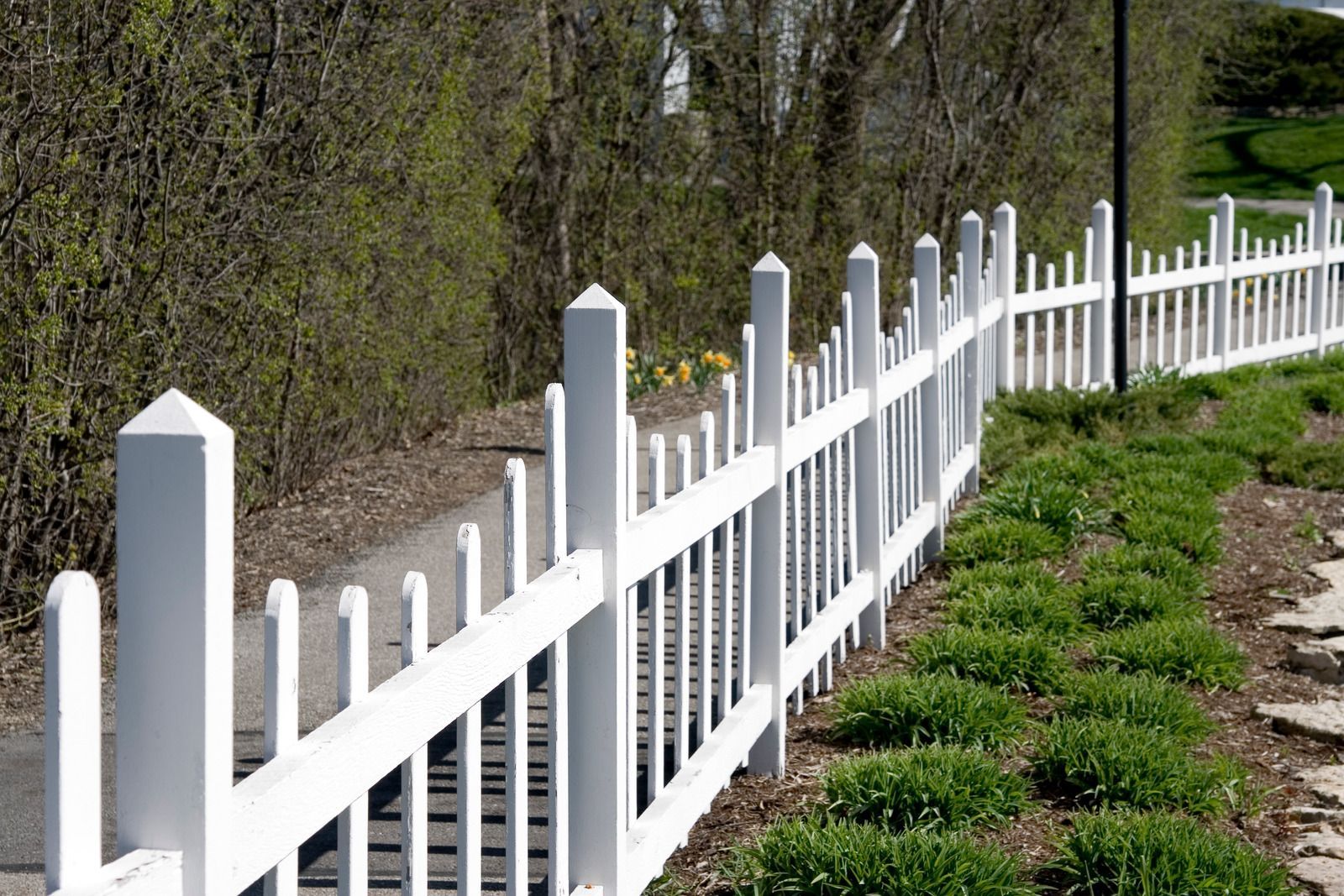
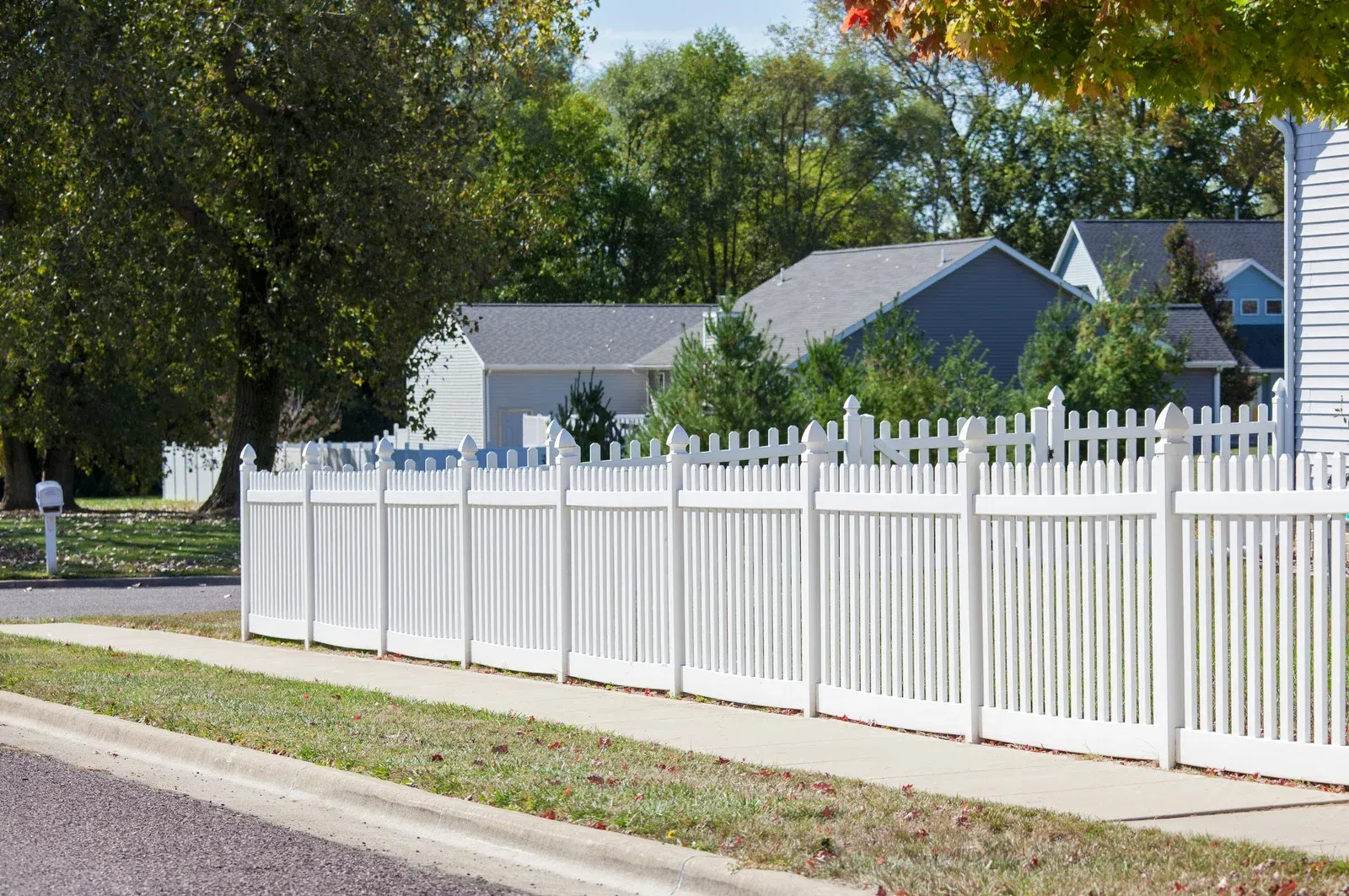
THE FRIENDLIEST FENCE STILL DOES A JOB.
Spaced pickets and lattice panels earn their place by doing several things at once. They mark the boundary clearly, keep small children and dogs where they belong, frame the garden behind them, and lift the front of a house immediately. What they deliberately do not do is close the property off, which is exactly why so many owners choose them.
Detail is what separates a good picket run from a plain one. Spacing, top profile, cap style, and post rhythm all shape the finished look.
- Wood and vinyl picket styles
- Scalloped, arched, and straight tops
- Lattice panels and toppers
- Free estimate with style options
➜ PICKET & LATTICE FENCING
CLASSIC LINES, BUILT TO CURRENT STANDARDS.
Picket fencing carries a lot of nostalgia, and nostalgia is not a construction method. The look may be traditional, but the build underneath is modern: pressure-treated or cedar stock, posts set to full depth in drained footings, stainless or coated fasteners, and rails sized so nothing bows across the span. That combination is why our picket runs still stand square long after the charm has settled into a comfortable weathered tone.
SOUTHERN PORCHES DESERVE A PROPER FRAME.
Bungalows, cottages, and older homes around Decatur, GA carry proportions that a picket fence either flatters or fights. Too tall and the house looks fenced in; too sparse and the boundary disappears. We size the height, spacing, and profile against the front elevation, and where a rear yard needs more coverage we transition to lattice or solid panels at a point that looks intentional from the street rather than abrupt.
30 YEARS OF GETTING PROPORTION RIGHT.
Picket work is unforgiving because every gap is on display. An inconsistent spacing, a rail that dips, or a scallop that does not resolve at the corner will bother you every time you pull into the driveway. Building these since 1992 has taught us how to lay out a run so the rhythm stays even across changes of grade and around corners. Want to see how yours would lay out?
WHAT PICKET AND LATTICE FENCING GIVES YOU
CURB APPEAL WITHOUT A WALL
The front of the property gains a defined, finished edge while the house stays visible behind it. Few upgrades change how welcoming a home looks from the street for so little structural work.
LIGHT AND AIR KEPT MOVING
Gaps between pickets let breeze and sunlight through to beds and lawn, which matters for planting and for how open the yard feels. Solid fencing can leave a small garden feeling closed in.
SMALL PETS AND CHILDREN CONTAINED
Correct spacing and height keep a toddler or a small dog inside the yard without shutting off the view. The boundary works as supervision you do not have to provide personally.
LATTICE THAT ADDS HEIGHT SOFTLY
A lattice topper raises the line and screens a sight line while staying visually light. Climbing plants grow through it happily, turning a functional addition into a green feature within a season.
STYLE CHOICES THAT SUIT ANY HOUSE
Straight, scalloped, arched, pointed, or capped, in wood or vinyl, at any of several heights. Small differences in profile produce noticeably different character, so the fence can be matched to the architecture.
SIMPLE TO REPAIR AND REFRESH
Individual pickets unscrew and swap out easily, and the open structure makes washing and staining straightforward. Long-term upkeep stays cheaper and quicker than on a solid privacy run.
➜ WHAT WE BUILD
OUR PICKET & LATTICE FENCING WORK
From a low garden border to a full front boundary with matching gate and arbor, these runs are built on site so the spacing stays consistent throughout.
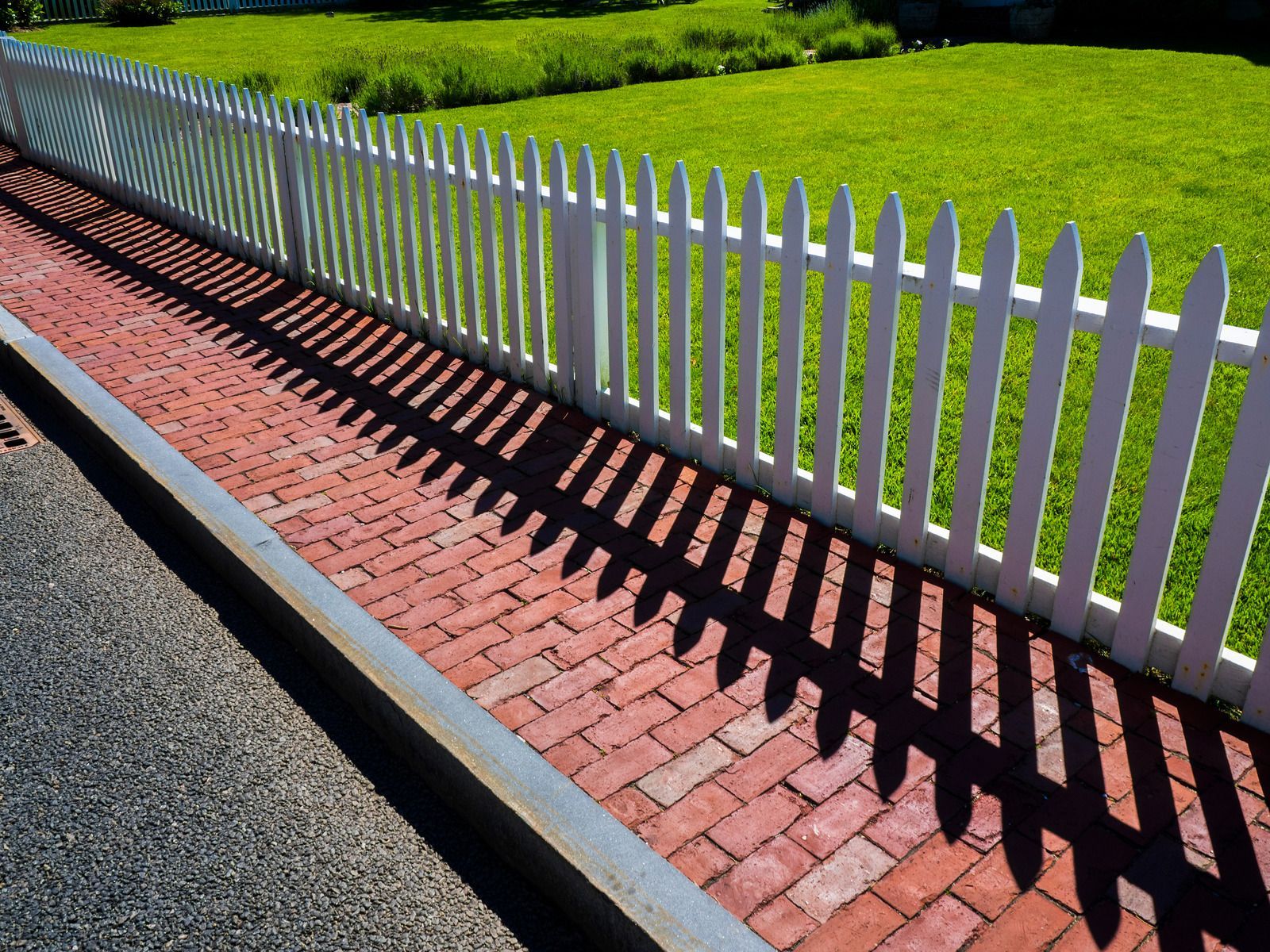
TRADITIONAL
Classic Wood Picket Fencing
Cedar or pressure-treated pickets on a properly framed structure, spaced evenly and capped to shed water. Ready to stain in a color of your choosing or left to weather to a soft gray.
NO PAINTING
Vinyl Picket Fencing
The same profile in vinyl, for owners who want the look without a staining schedule. Colorfast, unaffected by rot and insects, and washed clean with a hose whenever pollen season passes.
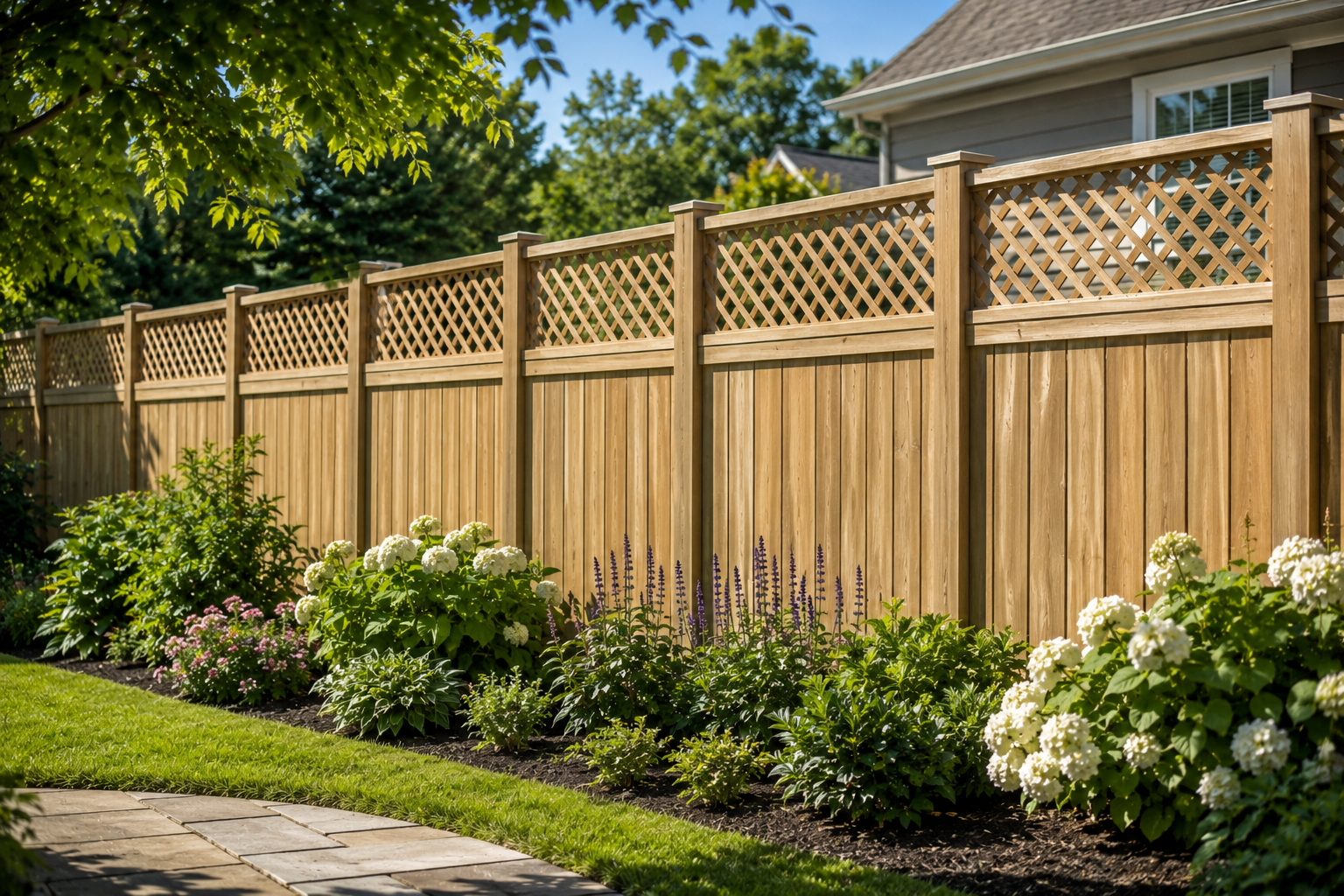
RAISE IT UP
Lattice Topper Panels
Diagonal or square lattice added above an existing fence line to gain height and screening without heaviness. Framed properly so the panels stay rigid instead of flexing loose over a few seasons.
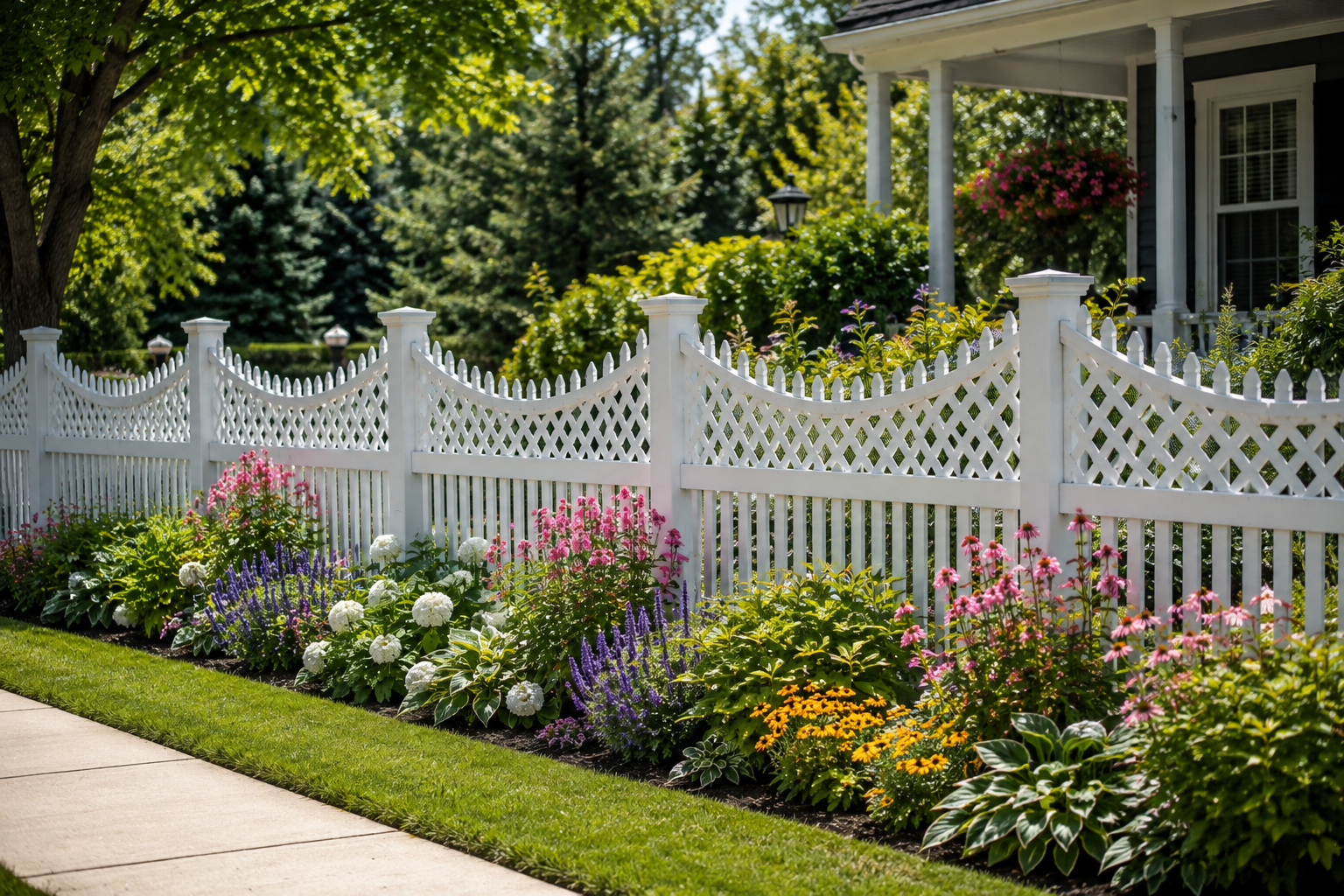
SHAPED TOPS
Scalloped and Arched Designs
Gentle curves between posts, either dipping or rising, that turn a straight run into something considered. The curve is set out across the full line so every bay resolves the same way.
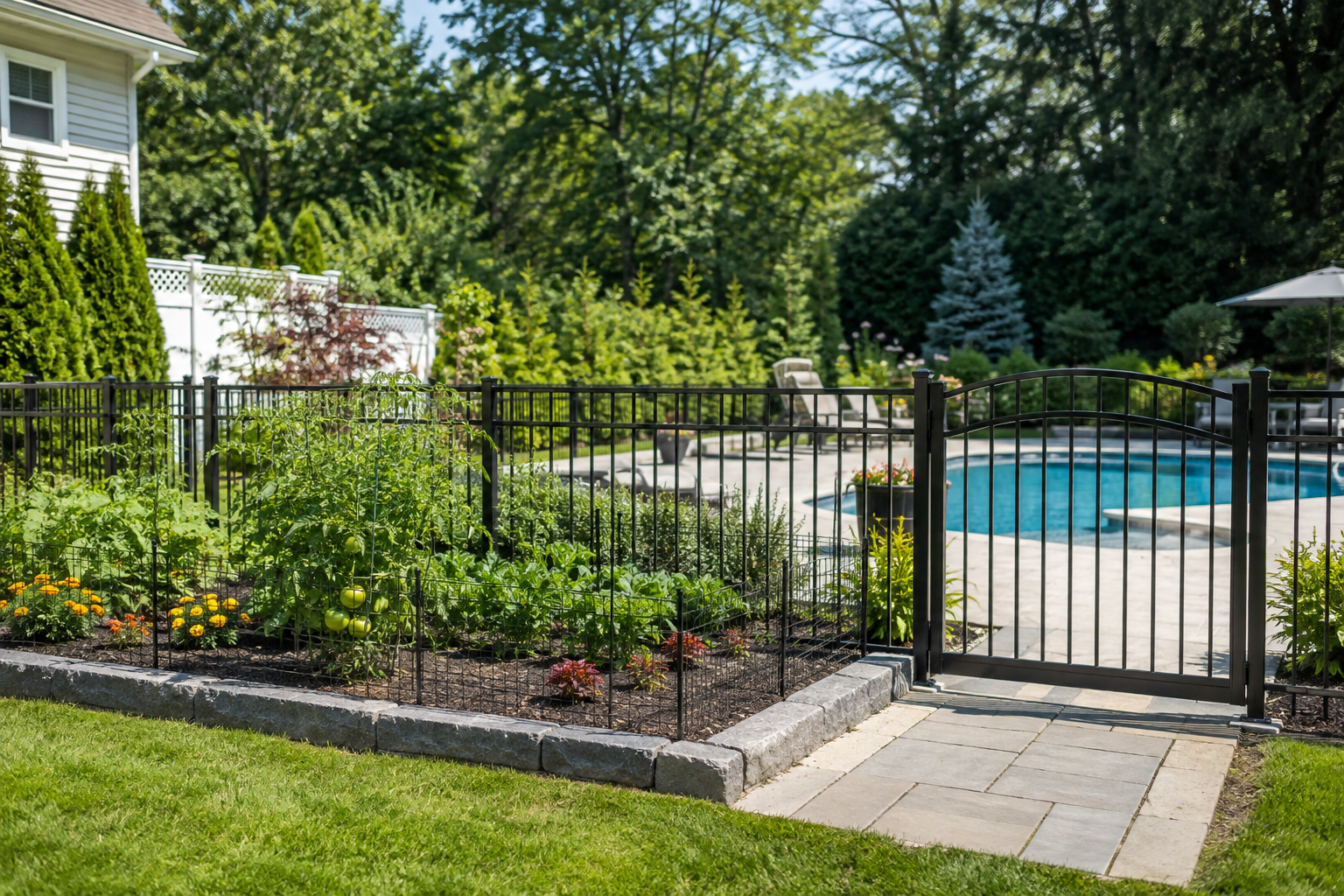
GARDEN EDGE
Garden and Pool Enclosures
Low borders around beds and vegetable plots, and taller code-compliant enclosures for pool areas where visibility through the fence matters as much as the barrier itself does.
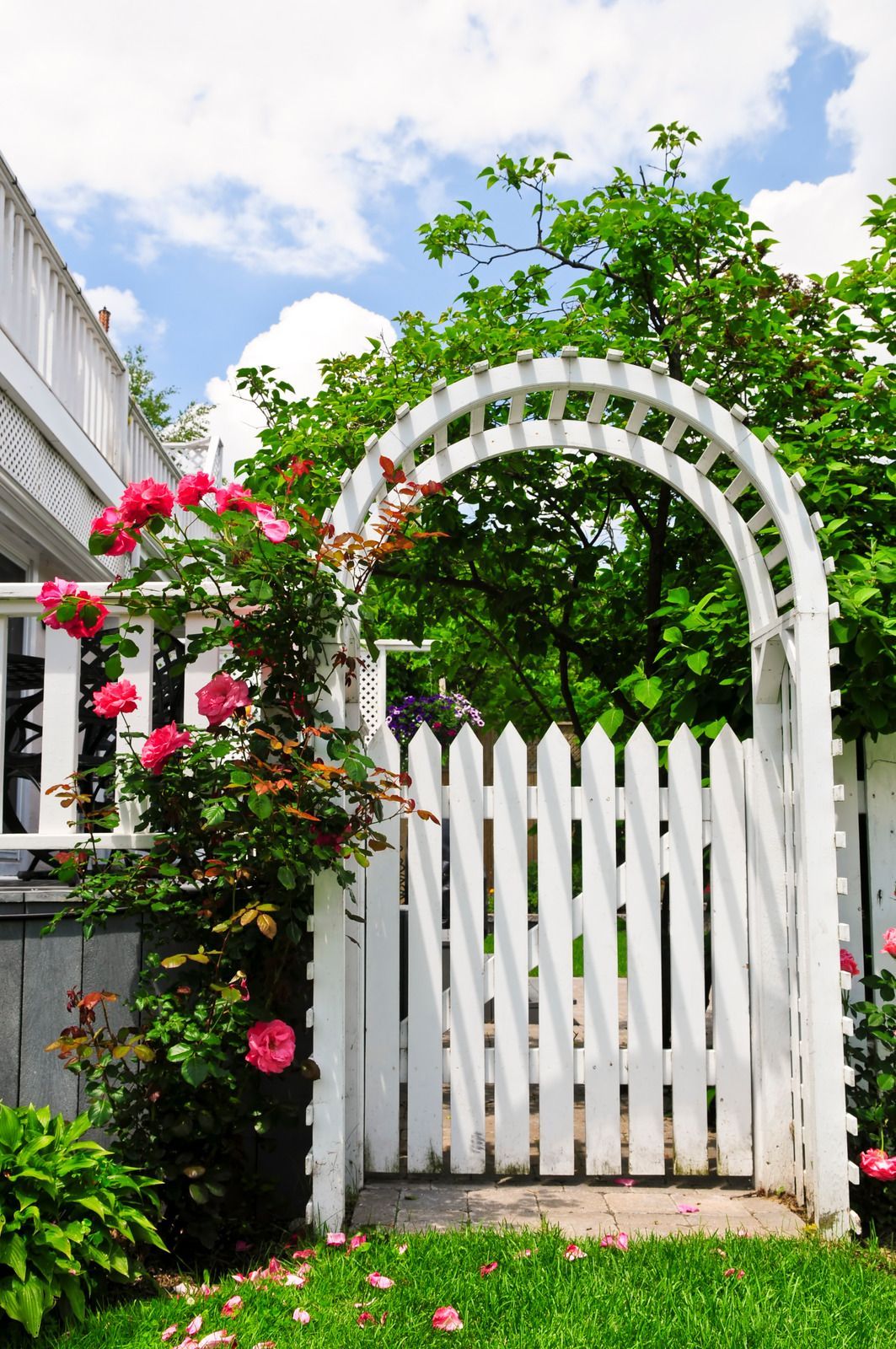
ENTRY POINTS
Picket Gates and Arbors
Matching gates hung on braced posts, with optional arbors overhead for climbing roses or wisteria. Gates are built square and fitted with hardware that keeps them swinging true.
➜ THE WORD ON OUR WORK
WHAT OUR CLIENTS SAY.
What comes back most often on these projects is how much the front of the house changed. Neighbors ask who built it, which has brought us more picket work on the same street more than once.
➜ Common Questions
frequently asked questions.
Picket and lattice questions are usually about proportion, spacing, and what the fence will and will not keep in. Here is what we tell owners.
How tall is a standard picket fence?
Most residential picket runs sit between 3 and 4 feet, which suits front yards and matches typical height limits. Lindley's Fencing checks the rule for your address in Decatur, GA, since above 4 feet the design loses its open character.
How far apart should pickets be spaced?
Around 2 to 3 inches is typical, and the gap should be narrower than the width of a picket for balance. Containing small dogs or toddlers usually calls for the tighter end of that range.
Will a picket fence keep a dog in the yard?
For most small and medium dogs, yes, provided the height suits the animal and the gaps are tight. Determined jumpers and diggers need extra height or buried mesh along the base.
What is a lattice topper used for?
It adds height and partial screening without the visual weight of solid boards. Lattice is also the usual choice when you want climbing plants to grow through and soften the top of a fence line.
Does a picket fence give any privacy?
Very little by design, and that is the point. Where you need both, we run pickets at the front and switch to a solid or lattice-topped section where screening genuinely matters.
Is wood or vinyl better for a picket fence?
Wood offers warmth, easy repair, and a finish you can change; vinyl offers near-zero upkeep and consistent color. Lindley's Fencing installs both across Decatur, GA, and the right answer depends on your appetite for maintenance.
What are scalloped and arched picket designs?
Scalloped runs dip in the middle of each bay while arched runs rise, both cut to a curve rather than a straight top. They add movement to a long line and suit older architecture particularly well.
How do you stop lattice from sagging or breaking?
Framing does it. Lattice needs support on all four sides and intermediate bracing on wider bays, otherwise the panel flexes in wind and eventually splits at the staples holding it.
➜ HOW WE WORK
FROM STYLE CHOICE TO FINISHED RUN, HERE IS HOW.
STEP 01
We Talk Through Look And Purpose
Height, spacing, and top profile all follow from what you want the fence to do. Containing a dog, framing a garden, or simply finishing the front elevation each point toward a different specification.
STEP 02
We Set Out The Line And Rhythm
Post positions are plotted so bays stay even, corners resolve neatly, and gates land where you actually walk. Uneven spacing is the fastest way to make a picket fence look homemade.
STEP 03
We Choose Material And Profile
Cedar, pressure-treated pine, or vinyl, with a picket profile and cap style to match the house. You see samples before anything is ordered, including finish colors if you plan to stain.
STEP 04
We Set Posts And Frame The Run
Footings go in at full depth, rails are leveled and checked across the whole line, and any scallop or arch is set out with a full-length template rather than by eye.
STEP 05
We Fit Pickets, Lattice, And Gates
Each picket is spaced with a gauge so the gaps stay identical, lattice panels are framed on all sides, and gates are hung, squared, and adjusted until they latch cleanly.
STEP 06
We Finish And Tidy The Site
Caps go on, cut ends are sealed, and stain or paint is applied if that is part of the job. Offcuts and fixings leave with us, and you approve the line before we go.
➜ GET YOUR FREE ESTIMATE
LET US LAY OUT YOUR PICKET LINE, FREE.
Ask us to come out and we will measure the run, walk you through the height and profile options, and show how the spacing will look against your house. You will get a written price with the material choices set side by side, including the vinyl and wood comparison most owners want to see before deciding. Nothing is charged for the visit and nothing is expected afterward. Reach us through our contact page and we will find a convenient time.
WHAT YOUR FREE ESTIMATE COVERS:
- Measured layout of the full run
- Height and spacing recommendations
- Picket profile and cap style options
- Wood and vinyl compared honestly
- A written price with no obligation
- Gate and arbor placement advice